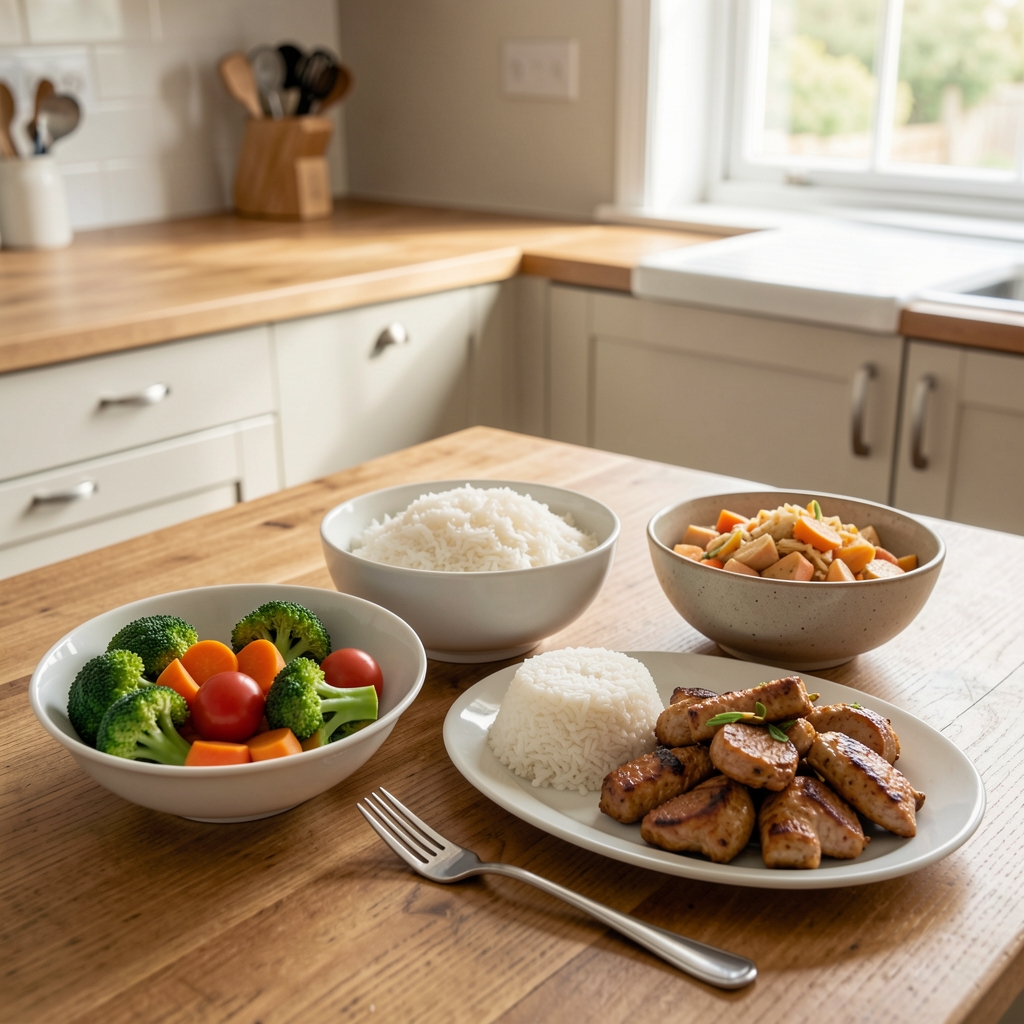
A calm week of meals
Use flexible building blocks, not a rigid menu, to make nourishing choices easier on busy days.
Read nutritionLong-form guides for building a more informed relationship with food, movement, sleep and stress.
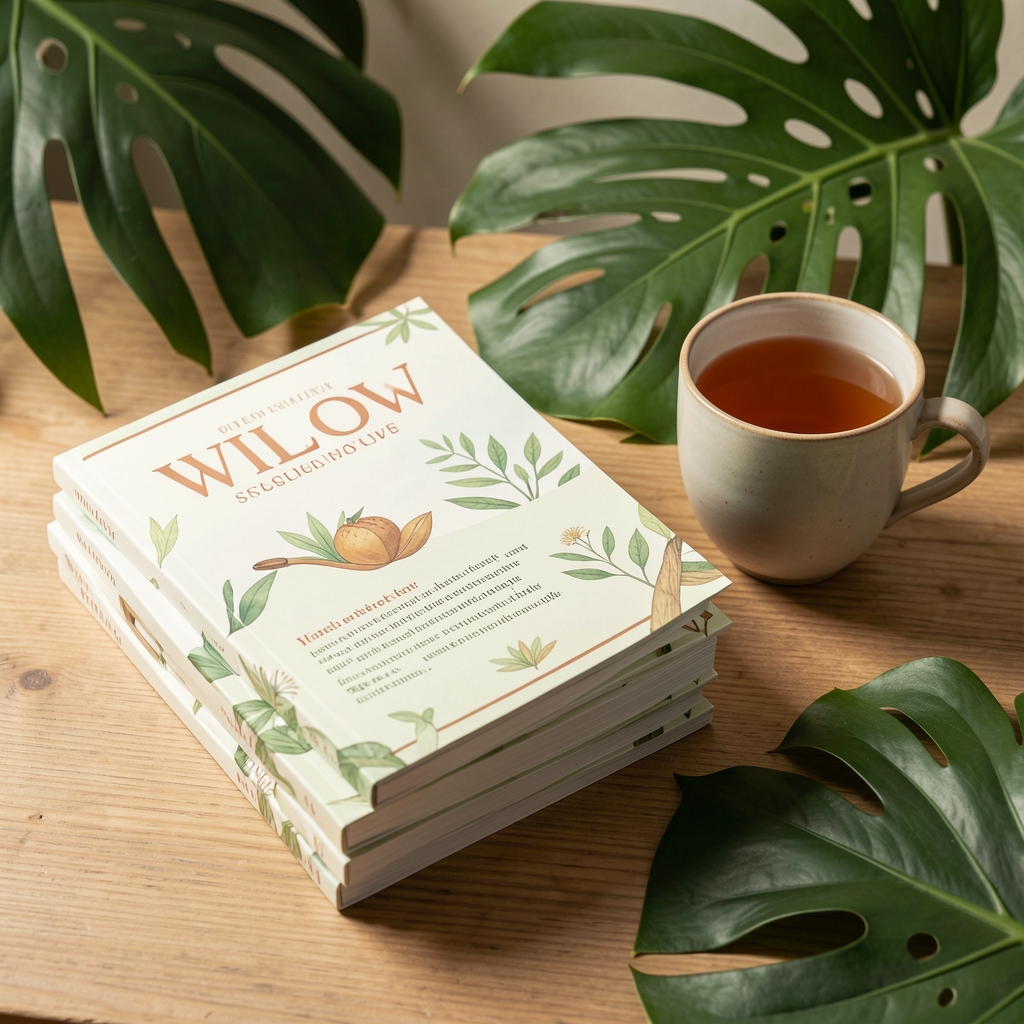
Each guide is a long read that combines background, a small experiment and a way to record what you notice. They are written for general information and are not individual advice.
Use flexible building blocks, not a rigid menu, to make nourishing choices easier on busy days.
Read nutrition
Explore pace, duration, footwear, weather and the value of movement that feels repeatable.
Read movement
A simple record for understanding sleep patterns without turning rest into a performance test.
Read sleepEvery guide follows the same four movements. The pattern keeps reading practical and avoids the common experience of finishing an article with ten ideas and no plan.
Take in the whole frame before selecting a suggestion.
Choose one change that fits this week rather than an ideal future.
Note what happens over seven to fourteen days, using a few words each day rather than a detailed score.
Decide what to continue, what to change and what to leave behind. Discuss anything unusual with a professional.
The table compares the guide formats so that you can match one to the time and energy you have available. Reading time is an approximate estimate.
| Guide format | Suited to | Approximate reading time | What you will have afterwards |
|---|---|---|---|
| Starter note | Readers new to the topic | 8 to 10 minutes | A single question to explore and a short record to keep |
| Weekly experiment | Readers who prefer a structured, short trial | 12 to 15 minutes | A seven-day plan with space for observations |
| Deep dive | Readers who like background and sources | 20 to 25 minutes | A reading list and a set of questions for a professional |
| Conversation guide | Readers preparing for an appointment or a family discussion | 10 minutes | A list of prompts and a note-taking page |
| Seasonal review | Readers who want to look back over several months | 15 minutes | A summary of what changed and what to adjust |
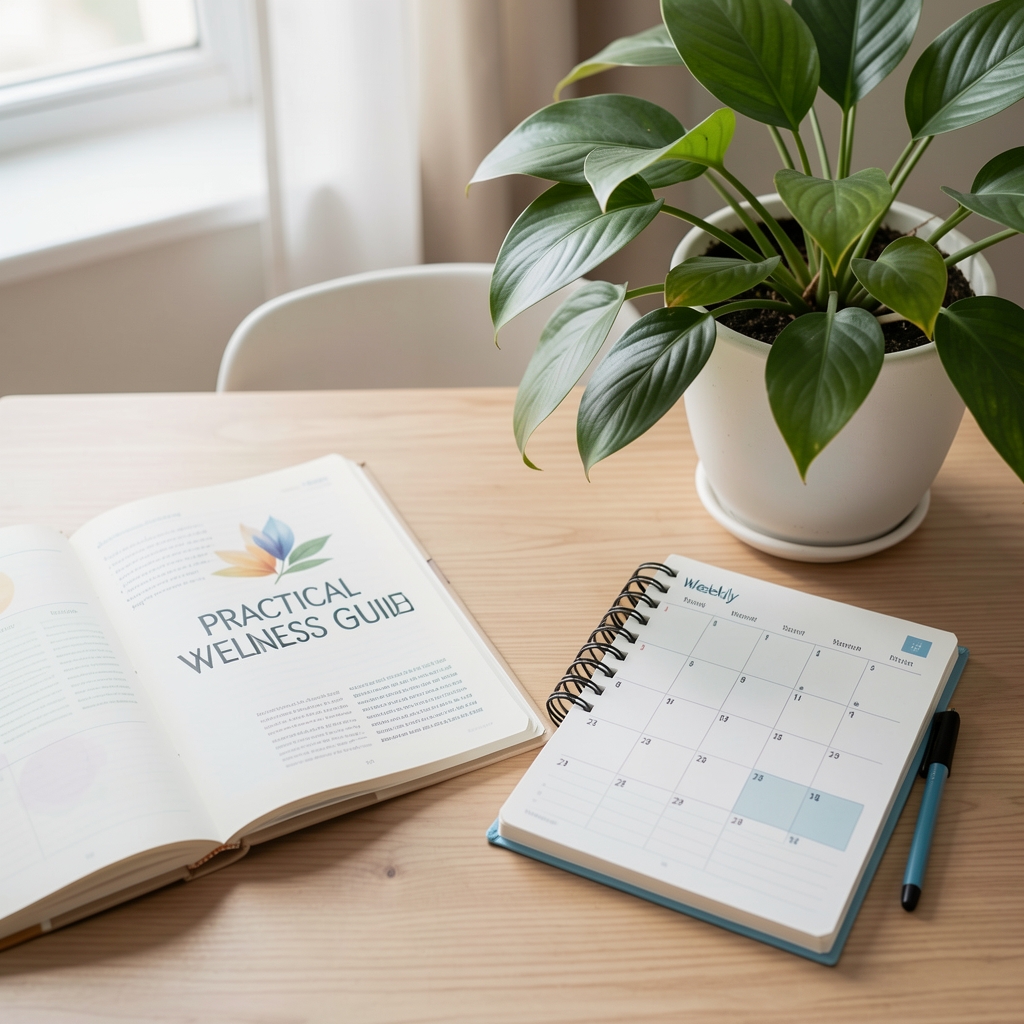
A guide that asks for ten changes at once often leads to none. Willow guides are deliberately modest: one question, one experiment and one way of recording the result. The purpose is to build a habit of paying attention, which tends to be more durable than a list of rules.
Guides are also reviewed for realistic effort. We ask whether the suggested steps could be carried out by someone with a full workday, a family and limited energy in the evening. When the answer is no, the guide is simplified.
Four short statements from our editorial notes explain how the guides are written.
A guide should leave a reader with more questions they can answer and fewer they cannot.
Consistency matters more than intensity, and kindness toward yourself matters more than both.
A good plan survives a bad week. If it does not, the plan was too large.
The reader is the expert on their own routine. We supply context, not verdicts.
Yes. All guides are free to read and do not require registration. Willow does not sell products through the guides.
It is usually easier to focus on one change at a time. If you wish to combine guides, begin with the one that feels simplest and add a second after a few weeks.
Send your idea through the contact page. The editors consider reader suggestions at each seasonal planning meeting.
The material in the library is educational. It does not diagnose or provide individual medical advice, and it does not promise any outcome. For questions about your own health, speak with a qualified professional.
Read the health notice