
Reviewed 3 October 2026
Why recovery deserves a calendar slot
Rest becomes easier to respect when it is treated as part of the week, not as a reward for exhaustion.
Read sleep notesA calm editorial guide to energy, movement, nourishment and the everyday choices that help men after 30 feel more at home in their bodies.
Explore the guides

The most useful changes are often quiet: a breakfast with enough protein, a walk after a long meeting, a phone left outside the bedroom, a conversation that makes pressure feel shareable.
Our editorial approach keeps those details visible. We explain the reasoning, acknowledge uncertainty and encourage readers to involve qualified clinicians whenever symptoms, medication or personal risk factors matter.
Read our principlesA short overview of the areas Willow writes about most often. The starting points are examples for discussion, not instructions, and individual needs vary.
| Foundation | What the guides explore | An example starting point | Read more |
|---|---|---|---|
| Nutrition | Balanced plates, local ingredients, hydration and mealtime routines | Adding one vegetable-rich dish to a regular meal | Nutrition notes |
| Movement | Walking, resistance practice, mobility and recovery between sessions | A short walk after a long stretch of sitting | Movement notes |
| Sleep | Regular timing, evening wind-down and the bedroom environment | Keeping a similar wake-up time across the week | Sleep notes |
| Stress | Workload boundaries, breathing practices and time outdoors | Five quiet minutes between meetings or tasks | Stress notes |
Three pieces from the autumn editorial cycle, each with the date it was last reviewed.
Reviewed 3 October 2026
Rest becomes easier to respect when it is treated as part of the week, not as a reward for exhaustion.
Read sleep notes
Reviewed 18 September 2026
A grounded look at progressive practice, technique and knowing when to reduce intensity.
Read movement notes
Reviewed 29 August 2026
A short reflection that helps separate useful signals from temporary noise.
Open the guideWillow began as a set of reading notes and grew into an editorial library. These are the milestones so far.
A small group of writers in Jakarta collected the questions men in their thirties and forties kept asking about energy, sleep and food.
We wrote down how sources are chosen, how claims are phrased and when an article needs a professional reviewer.
The initial guides on nutrition, movement and sleep were published with plain-language summaries and reading lists.
Stress, relationships, a glossary and a resources page joined the library, alongside a clearer corrections process.
A few words appear often in our articles. Here is how we use them. The full list lives in the glossary.
Raising the demands of an activity gradually, such as slightly longer walks or a little more weight, so the body has time to adapt.
The period after effort in which the body and mind settle. It includes sleep, food, hydration and time away from demands.
How consistent bedtime and wake-up times are across the week. It is often discussed alongside total sleep duration.
A common way to describe a meal that combines vegetables, protein, whole-food carbohydrates and healthy fats in sensible proportions.
The comfortable range of movement at a joint, supported by gentle stretching, strength and regular changes of position.
A short, periodic reflection on energy, mood, appetite and movement that can be shared with a health professional.
Photographs from the settings our articles describe: markets, trails, kitchens and quiet corners of an ordinary week.




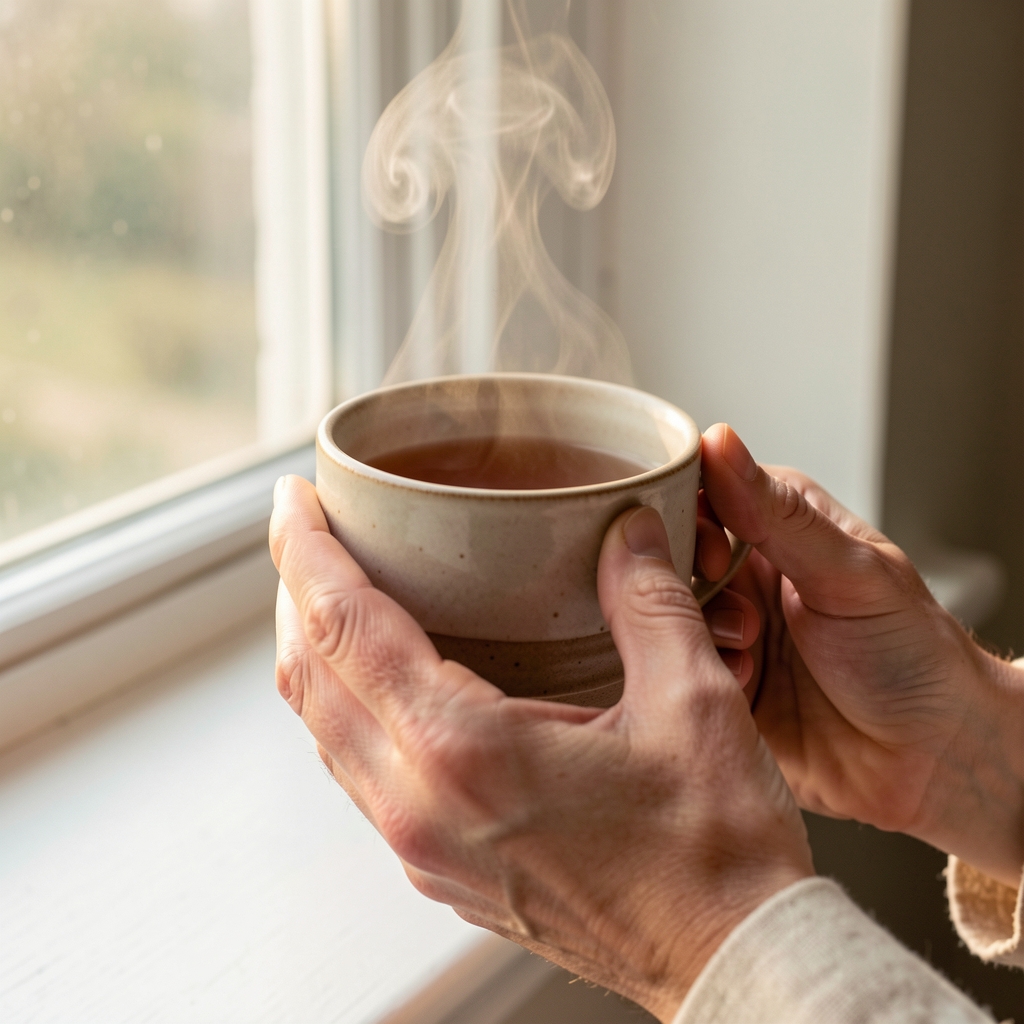

We try to write the way a thoughtful friend with a good reading habit might talk: clear about what is known, honest about what is not, and quick to say when a question belongs in a clinic rather than in an article.
From the Willow editorial desk, read our editorial standards
Dates for the coming weeks. Sessions are informal conversations about published articles, not consultations. Send us a note through the contact page if you would like details.
Begin with one area that affects daily life most clearly, then use our guides to create a small, measurable experiment.
No. Articles are educational and should be considered alongside your history, symptoms and advice from a qualified professional.
The foundations remain familiar, but recovery, responsibilities and risk factors can change. Context matters more than slogans.
Yes. Send a question or correction through our contact page and include the article title where relevant.
Willow does not diagnose, prescribe or promise outcomes. It offers editorial context so readers can ask better questions and have more informed conversations with health professionals.
Read the health noticeBrowse by topic, note a question for your next appointment and return whenever you would like to review your routine.
Browse the library